

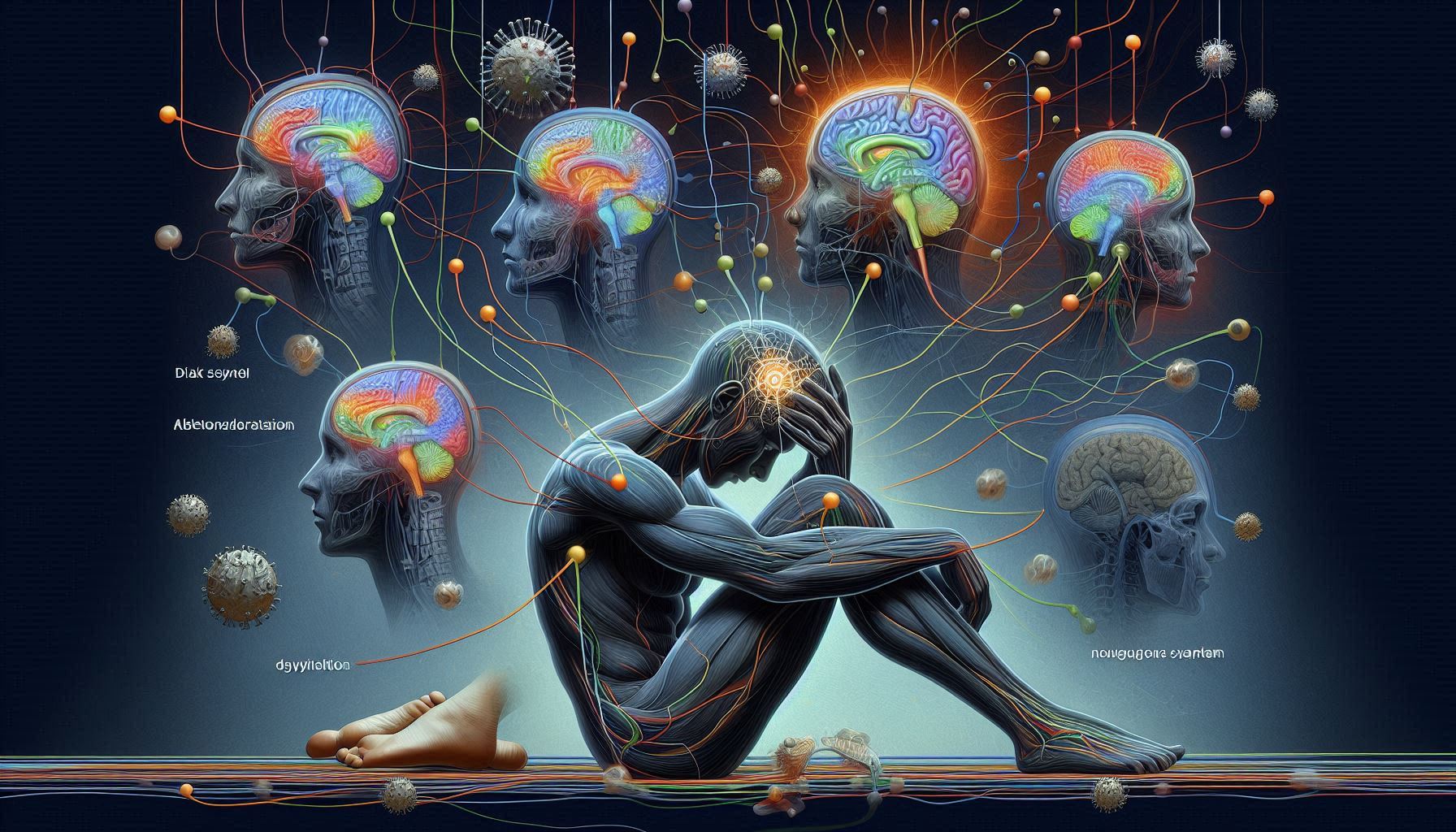
ADHD and the Nervous System: Understanding the Connection
Attention Deficit Hyperactivity Disorder (ADHD) has traditionally been viewed through a narrow lens of inattentiveness, impulsivity, and hyperactivity. However, emerging perspectives grounded in nervous system science offer a transformative understanding of the phenomenon. ADHD is not merely a set of behavioural traits or deficits but rather a complex cluster of nervous system adaptations shaped by sensory processing, stress responses, and trauma experiences. In this blog, we will explore the connection between ADHD and nervous system adaptations.
Table of contents
- The Neurosomatic Perspective on ADHD
- Sensory Processing and Emotional Regulation in ADHD
- Trauma, Attachment, and ADHD
- Practical Neurosomatic Tools for Regulation and Healing
- ADHD, Burnout, and Addiction: Breaking the Cycle
- Embracing Neurodiversity and Hope for Change
- Conclusion: Moving Forward with Compassion and Tools
The Neurosomatic Perspective on ADHD
Neurosomatic Intelligence (NSI) reframes ADHD as a dynamic interaction between the brain’s sensory input, processing, and output systems. Rather than a fixed identity or disorder, ADHD reflects how an individual’s nervous system interprets and responds to overwhelming sensory environments or emotional stress. Key brain areas, such as the prefrontal cortex—which governs planning, impulse control, and inhibition—may have limited activation or fuel, influencing behaviours such as distractibility, time blindness, and hyperfocus.
Mari De Luna, a certified Neurosomatic Intelligence practitioner, explains that brains with ADHD often display exceptional creativity and deep expertise in areas of interest, highlighting the gifts inherent to neurodiversity. The challenge lies in understanding how to work with the nervous system to protect health, lower stress, and build agency rather than fighting against it.
Attention Regulation: More Than a Deficit
A crucial insight from the work of Janera Nuremberg, and echoed in this conversation, is that ADHD is less about a lack of attention and more about difficulty regulating the demand for attention. People with ADHD often experience attention overflow, where their focus is drawn intensely but not always at socially appropriate times. This nuance explains common misconceptions and opens pathways for embracing authenticity and individuality in neurodivergent experiences.
Sensory Processing and Emotional Regulation in ADHD
The Role of Sensory Overload
Individuals with ADHD often experience heightened sensory sensitivity. Sensory inputs such as light, sound, and touch are processed differently, leading to dysregulation in brain areas like the thalamus and insular cortex. This dysregulation can lead to stress responses, emotional overwhelm, and difficulties in filtering out irrelevant stimuli. Consequently, the nervous system may remain in a heightened state of alertness, activating survival mechanisms such as fight, flight, or freeze.
This sensory overload significantly contributes to fatigue and burnout, particularly when navigating environments that are not designed to meet the needs of neurodivergent individuals.
Emotional Dysregulation and the Cerebellum
The cerebellum, traditionally known for coordinating movement and balance, also plays a vital role in emotional regulation. It integrates sensory inputs with motor and emotional responses, fine-tuning how emotions are experienced and expressed. Nervous system dysregulation in cerebellar pathways can lead to intense mood swings, frustration, and emotional reactivity commonly observed in ADHD.
Intentional training of the cerebellum through specific neurosomatic drills can foster greater emotional flexibility, compassion, and perspective, helping individuals respond to stress with more resilience.
Trauma, Attachment, and ADHD
Developmental Trauma’s Impact on the Brain
Complex trauma and adverse developmental environments profoundly shape brain development, particularly affecting executive function and nervous system regulation. When a child grows up with chaotic caregiving or lacks attuned emotional support, the brain circuits responsible for attention, sensory integration, and emotional processing may develop differently.
Research by experts like Gabor Maté highlights how early stress in caregivers disrupts the neurobiological wiring of infants, influencing the HPA axis and limbic system. This disruption can manifest later as ADHD symptoms, sensory sensitivities, and challenges with emotional regulation.
Attachment and Attunement
Attachment wounds lie at the heart of complex trauma and profoundly affect ADHD presentations. Attunement, the accurate emotional tuning and response between caregiver and child, is essential for healthy nervous system development. Misattunement can cause distorted threat perceptions, dissociation, and difficulties in interpreting social and emotional cues.
Developing internal attunement, also known as self-attunement, helps individuals with ADHD better interpret bodily signals and emotional states, thereby fostering greater nervous system regulation and presence.
Practical Neurosomatic Tools for Regulation and Healing
Managing Energy and Focus
Many with ADHD experience paradoxical fatigue from tasks that seem low-energy, such as sustaining attention in uninteresting conversations. Neurosomatic Intelligence offers tools to understand these energy dynamics and develop regulation strategies.
Physical tools, such as abdominal belts, provide a sense of containment and grounding, helping to filter sensory data and maintain focus. Wearing such devices supports the interoceptive system, our internal sense of bodily signals, by providing consistent sensory feedback that calms and centers the nervous system.
Visual rest tools, such as sleep masks or blue-light glasses, reduce visual overload and can help rejuvenate attention capacity throughout the day.
Proprioceptive Training and Executive Function
Proprioception, the body’s sense of spatial position and movement, is another critical system linked to attention and executive function. Intentional proprioceptive exercises that involve complex, nonlinear joint movements stimulate the prefrontal cortex and enhance motor control, impulse inhibition, and focus.
The more precise the brain’s body map, the less it perceives threat, reducing stress responses and burnout. Integrating proprioceptive training into daily routines can enhance cognitive control and emotional stability.
Neurosomatic Drills for Integration and Discharge
Specific NSI drills aim to help integrate sensory data, consolidate valuable memories, and discharge excess energy or stress. These exercises support the nervous system’s ability to “rest and digest,” allowing for recovery and regulation.
For example, the “divinity walk” drill helps balance the integration of sensory input and prevents overwhelm, thereby reducing the risk of burnout.
ADHD, Burnout, and Addiction: Breaking the Cycle
The Dopamine Connection
ADHD is closely linked with dopamine pathway dysregulation, which affects motivation, reward processing, and cognitive control. Impaired dopamine signalling can lead to challenges with sustained attention and increase vulnerability to reward-seeking behaviours, including addiction.
Addiction as an Output of Nervous System Dysregulation
Addiction, including substance use and disordered eating, is often a coping mechanism to soothe an overwhelmed nervous system. Neurosomatic Intelligence reframes addiction not as a moral failing or lack of willpower but as an output—an expression of unmet regulatory needs.
Mari shares her personal experience with substance use as a form of self-medication to manage social anxiety and sensory overwhelm. Through intentional nervous system training, she has learned to build new patterns of regulation, reducing impulsivity and dependency.
Building Predictability and Boundaries
Developing nervous system predictability, where the system learns it can handle stress without maladaptive coping, is key to recovery from ADHD. Tools that foster grounding and regulation help create this sense of safety, enabling healthier responses in social situations and daily life.
Embracing Neurodiversity and Hope for Change
ADHD as an Adaptive Response
ADHD is increasingly understood as an adaptive nervous system response to environmental demands, sensory overload, and developmental stress rather than a disorder to be fixed. The neurodivergent brain is wired uniquely, with distinct strengths and challenges that require compassionate understanding and tailored approaches.
Neuroplasticity: The Science of Hope
The nervous system’s capacity for change, or neuroplasticity, offers profound hope. Through intentional, daily training and neurosomatic practices, individuals with ADHD can rewire their nervous systems, improve executive function, emotional regulation, and cultivate resilience.
Programs such as Neurosomatic Intelligence Coaching for practitioners provide science-based tools and supportive communities to guide this transformative work.
Conclusion: Moving Forward with Compassion and Tools
Understanding ADHD through the nervous system lens illuminates the intricate connections between sensory processing, trauma, emotional regulation, and behaviour. This perspective shifts the narrative from deficit to adaptation and from stigma to empowerment.
By integrating practical neurosomatic tools, such as proprioceptive exercises, containment devices, emotional regulation drills, and sensory rest, individuals can reclaim agency over their attention, emotions, and energy.
If you or someone you know struggles with ADHD or neurodivergence, remember that change is possible. Embrace the gifts within, seek compassionate support, and explore tools designed to honour your unique nervous system.
For those interested in exploring neurosomatic tools and nervous system regulation in depth, consider visiting rewiretrial.com for free classes and supportive communities that facilitate healing and growth through applied neurology and somatics.
Related Links
Medical Disclaimer
The information on capitalosteopathy.ca is provided for general informational purposes only and should not be used as a substitute for professional medical advice, diagnosis, or treatment. Always consult your physician or other qualified healthcare provider with any questions you may have regarding a medical condition. Never disregard professional medical advice or delay seeking it because of something you have read on this website. The services provided by Capital Osteopathy are intended to complement, not replace, the relationship between you and your current healthcare providers. Individual results may vary, and no guarantees are made regarding specific outcomes. Using this website, you acknowledge that you have read and understood this disclaimer and agree to its terms. If you disagree, please do not use this site.